Housing Options
What to Downsize Into
Seven realistic paths for Calgary households — what each one gives you, what it costs you in fees and maintenance, and what to verify before you commit to any of them.
Decide the Type First, Then the Address
Most downsizing regret does not come from choosing the wrong street. It comes from choosing the wrong category of housing — usually because the destination was decided by what was available that week rather than by how the household actually wants to live.
Below are the seven paths Calgary households genuinely take, each with its advantages and its real trade-offs. Two of them — 55+ adult living and supportive living — carry rules and contracts that should be reviewed carefully before any commitment is made, and Saunders & Co. advises on the real estate side only.
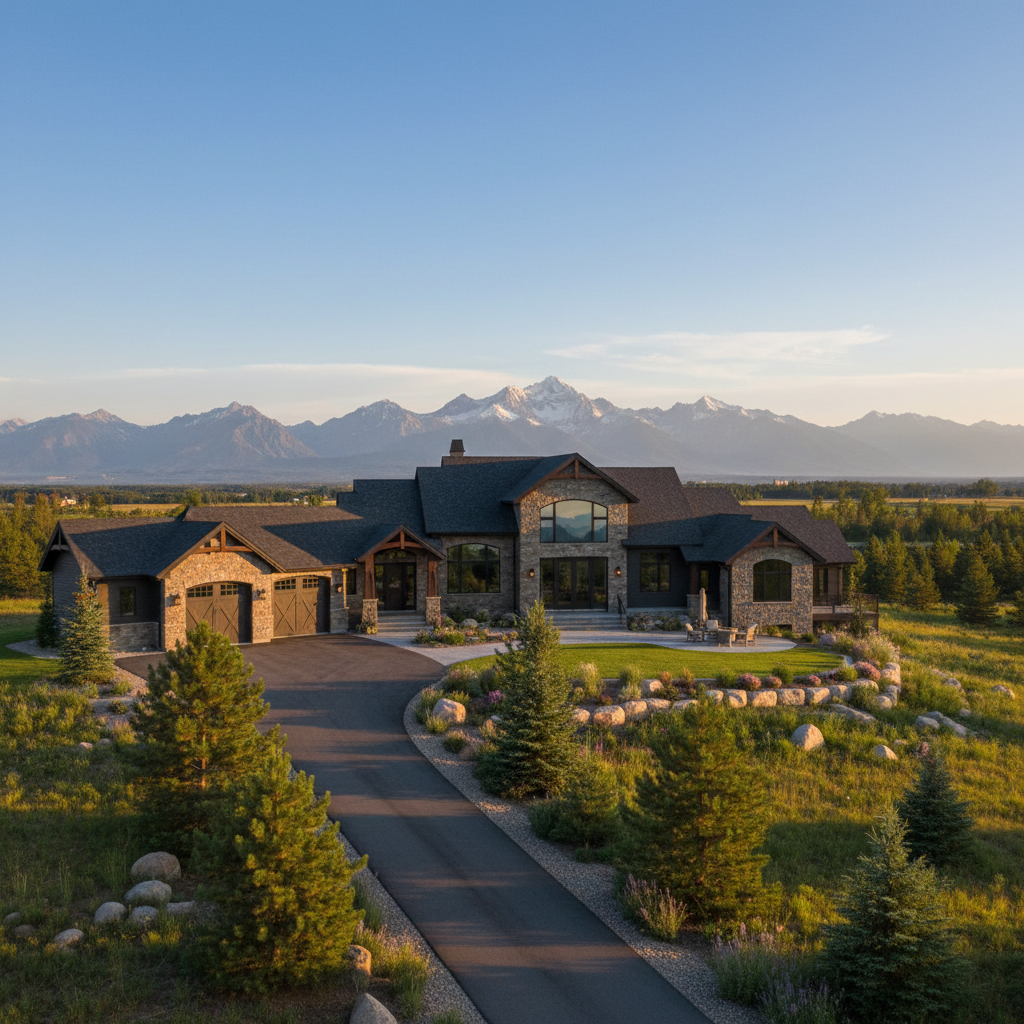
Single-Level Bungalow
A true bungalow in an established community — everything needed on one floor, your own front door, and a familiar neighbourhood.
What it gives you
- Everything on one level: no stairs in daily life
- Own front door, private yard, full control of the property
- Usually the closest in feel to the home being sold
- Established communities with mature trees and space between neighbours
What to watch
- Lawn, snow and exterior maintenance remain your responsibility
- Genuine bungalow supply in Calgary is limited and moves quickly
- Older single-level homes often need updates: roof, furnace, windows, bathrooms
- Some 1960s bungalows were built before accessibility standards — doorways and bathrooms may need modification
Best forDownsizers who want to stay in a familiar area, keep a yard, and value independence over a maintenance-free structure.
Bungalow Villa / Bare-Land Condo
An attached single-level home — often with a garage — where the grass, snow and exterior are covered by the condo corporation.
What it gives you
- Single-level living with exterior maintenance handled
- Typically a garage, a private patio or yard, and more storage than an apartment
- Neighbours at a similar stage of life in many complexes
- Often located in established communities rather than new peripheries
What to watch
- Monthly condo fees, and they rise — review recent fee history, not just the current number
- Reserve fund health matters more than the fee itself; ask for the reserve fund study
- Some complexes carry no age restriction, others do — confirm exactly
- Special assessments can appear on older complexes with significant exterior assets
Best forDownsizers who want single-level living and no exterior work, with more space and storage than a condominium apartment.
Luxury Condominium / High-Rise
Inner-city apartment living with concierge, amenities, elevators and a lock-and-leave lifestyle in Calgary’s most walkable districts.
What it gives you
- Lock the door and leave — the lowest-maintenance ownership model available
- Walkable districts for restaurants, groceries, medical and cultural amenities
- Amenities: fitness, pool, guest suites, secure parking, storage
- Strong security and concierge presence in many buildings
What to watch
- Condo fees typically the highest of any option, and they depend on building systems
- Elevator dependence: confirm power backup, and how many elevators serve the building
- Storage is the real constraint — a lifetime of belongings rarely fits, so sort early
- Building condition, reserve fund study and any pending special assessments should be reviewed before purchase
- Rules on renovations, pets, rentals and move-in scheduling vary widely between buildings
Best forDownsizers who travel, want minimal maintenance, and value walkability and amenities over private outdoor space.
Townhome / Attached Villa
Multi-level attached living with more interior space and typically a garage, at a lower price point than a bungalow villa.
What it gives you
- More square footage per dollar than most single-level options
- Usually a garage plus additional storage
- Exterior maintenance typically covered by the corporation
- Available in a broad range of communities and price points
What to watch
- Most townhomes are multi-level — stairs in daily life, and a basement may be involved
- Condo fees and reserve fund health apply as with any attached property
- Stacked or back-to-back designs can bring noise considerations
- If stairs are already a concern, a two-level townhome may be the wrong first choice
Best forDownsizers who still want substantial space and a garage, and who are comfortable with stairs at this stage.
55+ / Adult-Living Community
Communities restricted to residents over a set age, often single-level or with elevators, and frequently with programming on site.
What it gives you
- A peer community, with social and recreational programming on site
- Frequently designed with accessibility in mind from the outset
- Low-maintenance ownership models are common
- Often located near medical services and daily retail
What to watch
- Age restrictions apply to residents and sometimes to visitors staying long-term — confirm the exact terms
- The resale buyer pool is narrower by definition, which can lengthen the selling cycle when you eventually move again
- Fees, rules and programming vary enormously between communities — read the bylaws
- Some are leasehold or life-lease arrangements rather than ownership; understand exactly what you are buying
Best forDownsizers who want community and programming built in, and who are comfortable with the specific rules that come with it.
Independent / Supportive Living
Residences that include services — meals, housekeeping, care, transportation — for households where support matters more than ownership.
What it gives you
- Services and support are part of the monthly arrangement
- Healthcare oversight and staffing levels that increase with need
- Social programming and communal dining
- Removes day-to-day household management entirely
What to watch
- Monthly costs, entry fees, exit fees and refundability vary widely between operators — read the contract carefully
- Waitlists are common and can be long
- Licensing and care levels should be verified directly with the operator and with Alberta Health Services where applicable
- This is a services decision first and a real estate decision second — take professional advice before committing
Best forHouseholds where support services and safety matter more than property ownership. Saunders & Co. advises on the real estate side only — not on care or health decisions.
Renovate to Stay
Remaining in the home and modifying it — a main-floor primary suite, a bathroom conversion, a stair lift or elevator.
What it gives you
- No move, no change of community, no disruption to relationships and routines
- Preserves the home’s emotional value and, in the right market, its long-term equity
- Often the lowest-stress option when the home already has a main-floor bedroom and bathroom
- Alberta offers a home accessibility renovation tax credit for eligible modifications — ask your accountant about eligibility
What to watch
- Two-storey homes usually need substantial work to become genuinely single-level
- Renovation costs in Calgary can approach the price of the right-sized property you would otherwise buy
- Exterior and yard maintenance remain yours, and they do not get easier with time
- The equity freed up by downsizing is forgone — that trade-off should be deliberate
Best forHouseholds where mobility is not yet a concern, the home already has main-floor living, and staying outweighs the financial benefit of moving.
Side by Side
| Option | Exterior work | Stairs | Ongoing cost | Suits best |
|---|---|---|---|---|
| Single-level bungalow | Yours | None | Property tax, utilities, yard | Independence with a yard |
| Bungalow villa | Corporation | Typically none | Condo fees | Single-level without exterior work |
| Luxury condominium | Corporation | None (elevator) | Condo fees (highest) | Lock-and-leave, walkability |
| Townhome | Corporation | Usually yes | Condo fees | Space and a garage |
| 55+ / adult living | Varies | Varies | Fees, community rules | Peer community and programming |
| Supportive living | Included | None | Monthly service fees | Services and care on site |
| Renovate to stay | Yours | Depends on the work | Renovation cost | No move at all |
Ongoing cost categories are shown qualitatively — actual fees and taxes vary by building, community and assessment year and should be verified for each specific property.
How to Choose
Mobility, now and in ten years
The decision should be made for the household you will be in a decade from now, not only the one you are in today. Stairs are the single most common regret.
Maintenance appetite
Be honest about the yard, the snow and the exterior. Many downsizers discover that freedom from maintenance mattered more than the extra space they kept.
Proximity that actually matters
Family, medical services, groceries, a place to walk, and — if driving will eventually stop — transit. These are usually more consequential than the community name.
Total monthly cost, not just price
Purchase price is only part of it. Condo fees, taxes, utilities and any service fees determine what the household can comfortably sustain.
How much space is genuinely used
Most downsizers use two to four rooms daily. Sizing the next home to real habits — plus storage for the things that matter — prevents paying for rooms that stay closed.
Ten Questions to Ask About Any Building
For condominiums, villas and adult-living communities, the due diligence is as much about the corporation and the rules as it is about the suite. Saunders & Co. obtains and reviews documents for these questions before any offer is written.
Options Questions
Which downsizing option is best in Calgary?
There is no single best option, and the answer changes with mobility, maintenance appetite, budget and how close you want to be to family and medical services. What matters is choosing in the right order: decide the housing type first, then the community, then the specific property. Saunders & Co. builds a shortlist around those criteria rather than working from a standard list of buildings.
Is a bungalow the only true single-level option?
No, but it is the most straightforward. Genuine single-level living is also available in attached bungalow villas, in some condominium buildings with elevator access, in adult-living communities, and in renovated homes where a main-floor primary suite and bathroom have been created. What should be checked in every case is whether the household can live entirely on one floor — not merely whether the home has a bedroom on the main level.
What are condo fees really covering?
Common-area maintenance, building insurance, reserve fund contributions, management, and — depending on the building — utilities, amenities and concierge services. The fee itself is less important than reserve fund health and fee history. A well-funded building with a higher fee is frequently the safer purchase than a building with a low fee and a reserve fund study recommending major work.
Should we buy the next home before selling?
It depends on financing, equity and how certain the destination is. Buying first offers certainty and can be supported with bridge financing or a delayed closing; selling first protects your negotiating position and avoids carrying two properties but may require interim accommodation. Both are workable, and the sequence should be chosen deliberately rather than by default.
How long does it take to prepare a long-held home for sale?
For a home owned for decades, three to six months is realistic from first conversation to closing. That includes valuation, deciding on repairs, sorting contents, photography and marketing, and the transaction itself. Starting a year ahead removes almost all of the pressure — and it is the single best thing a family can do for its own decision-making.
Get a Shortlist for Your Criteria
Tell Saunders & Co. what matters — single-level, no stairs, close to family, walkable, budget, timing — and you will receive a shortlist of specific communities and property types that fit, along with what each one costs to own monthly.
Best Communities to Downsize ToConfidential Downsizing Enquiry
Start With a Conversation
A no-obligation valuation of your current home, and a shortlist of what you could move to. No pressure, and no decisions required at the first meeting.
Confidential · No obligation · Personal valuation, never an automated estimate

